
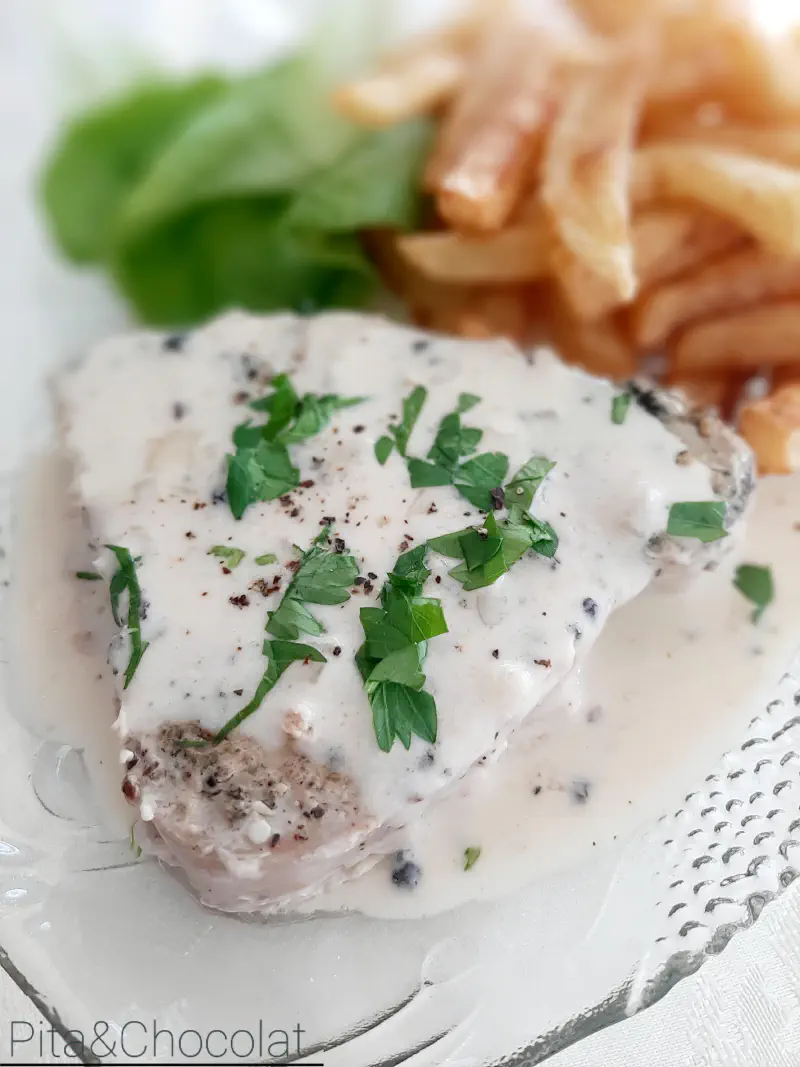
Ingredients
Check off ingredients as you go
Serves 4
- 4 tuna steaks, 200g (7 oz) each
For the peppercorn sauce
- 2 level tablespoons crushed black peppercorns (or to taste, I like it well-peppered)
- 1 large shallot, finely minced
- 20g (1½ tablespoons) butter (or olive oil)
- 200ml (¾ cup plus 1 tablespoon) heavy cream
- 100ml (scant ½ cup) vegetable broth (or beef-flavored)
- 100ml (scant ½ cup) dry white wine (or cognac or port)
- 1 teaspoon cornstarch dissolved in 2 tablespoons water
- A few sprigs of fresh parsley, chopped (or tarragon)
Preparing the Peppercorn Sauce
- Crush the peppercorns or grind them coarsely in a mortar. Mince the shallot very finely. In a saucepan, melt the butter then add the shallot and let it sweat for 7-8 minutes without browning. Add half the crushed pepper and stir for a few minutes. Deglaze with the white wine, let the alcohol evaporate, then add the broth and cream. Let the sauce reduce slightly over medium heat (about ten minutes), then add the cornstarch and stir until you get a nice coating, creamy consistency (a few minutes).
Cooking the Tuna Steaks
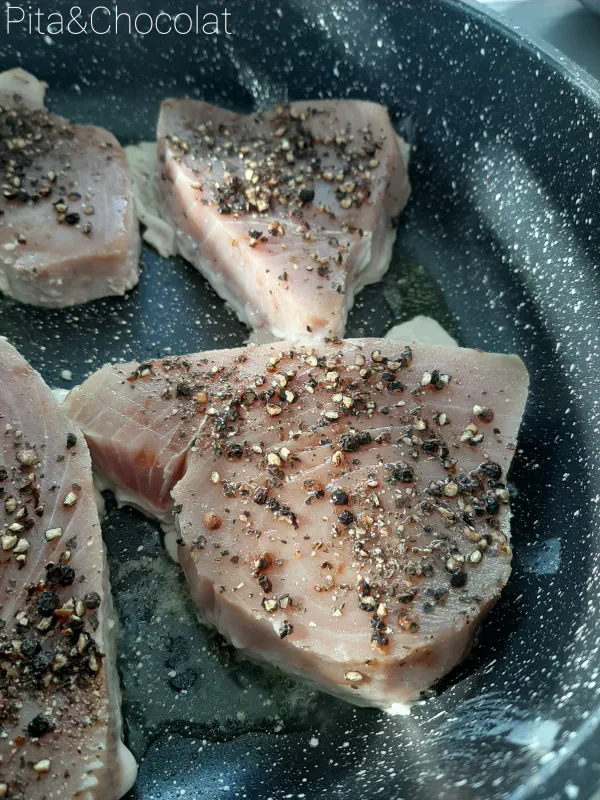
- Put the remaining crushed pepper on the tuna steaks and sear in a very hot pan with a touch of olive oil for 2 minutes per side. They should remain pink in the middle so they don’t dry out (if you like them more cooked, 3 minutes per side).
Place the tuna steak on a plate, coat with the hot sauce, sprinkle with parsley and serve. It’s delicious with fries, potato gratin or crispy roasted potatoes and a salad.
For a dairy-free version of peppercorn sauce, check this out:
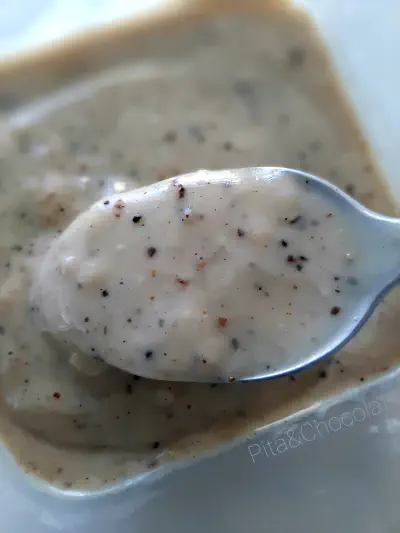
Peppercorn Sauce
Click on the image for the recipe
Tips and Variations
- The secret to tender tuna steaks is choosing steaks that are thick enough (at least 2 cm/¾ inch) and not overcooking them.
- You can make the sauce the day before - on the day, you’ll only need to sear the tuna steaks while you reheat it.
- As mentioned, you can replace the white wine with another alcohol, like port or cognac.
- You can also use green peppercorns instead of black pepper.
🐟 To learn more about fish in Israel, I’ve written a practical guide and French-Hebrew fish lexicon to help you navigate and discover the choices available to you!